The idea of “detoxing your liver” has become extremely popular, with countless juices, supplements, and quick-fix programs promising miraculous results. But here’s the reality: your liver is already a powerful detoxification organ. It doesn’t store toxins like a sponge it actively processes and eliminates them every single day.
Instead of trying to “clean” your liver, the smarter approach is to support its natural function. The right foods can help your liver work more efficiently, reduce inflammation, and even repair damage over time.
In this blog, we’ll break down how the liver works, signs it may need support, and the best foods you can include in your diet to optimize liver health.
Understanding the Liver: Your Body’s Silent Workhorse
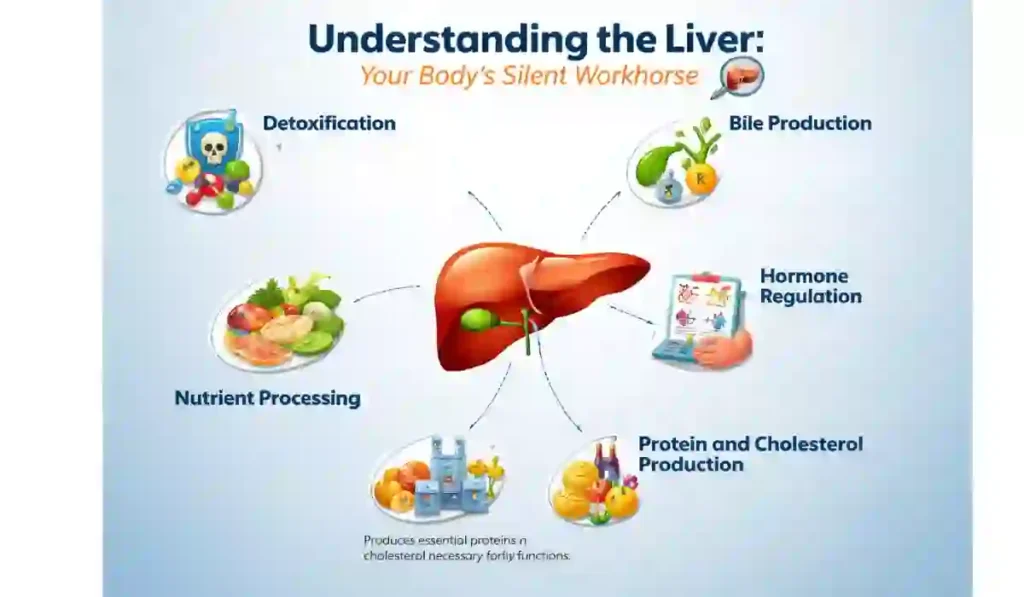
1. Detoxification
The liver filters toxins, chemicals, and waste products from the bloodstream and converts them into substances your body can safely eliminate.
2. Bile Production
Bile helps break down fats and absorb fat-soluble nutrients like vitamins A, D, E, and K.
3. Hormone Regulation
The liver plays a role in producing and regulating hormones, including those linked to metabolism, stress, and muscle growth.
4. Nutrient Processing
It converts nutrients from your diet into usable forms and stores energy for later use.
5. Protein and Cholesterol Production
The liver helps produce essential proteins and cholesterol, both of which are necessary for normal body function.
When your liver is functioning well, you feel energized, balanced, and healthy. When it’s not, your body starts showing warning signs.
Signs Your Liver May Need Support
Liver issues often develop quietly, but there are several symptoms that may indicate your liver isn’t functioning optimally:
- Persistent fatigue or low energy
- Yellowing of the skin or eyes (jaundice)
- Itchy skin
- Joint pain or stiffness
- Nausea or poor digestion
- Brain fog or reduced focus
- Gallstones or fat digestion issues
These symptoms don’t always mean serious liver disease, but they are signals that your liver may need better support through diet and lifestyle.
The Real Goal: Enhancing Liver Function
Instead of focusing on “detox,” the goal should be to:
- Reduce inflammation
- Improve fat metabolism
- Support antioxidant activity
- Enhance the liver’s natural detox processes
And the most effective way to do this? Food.
Top Foods That Naturally Support Liver Health
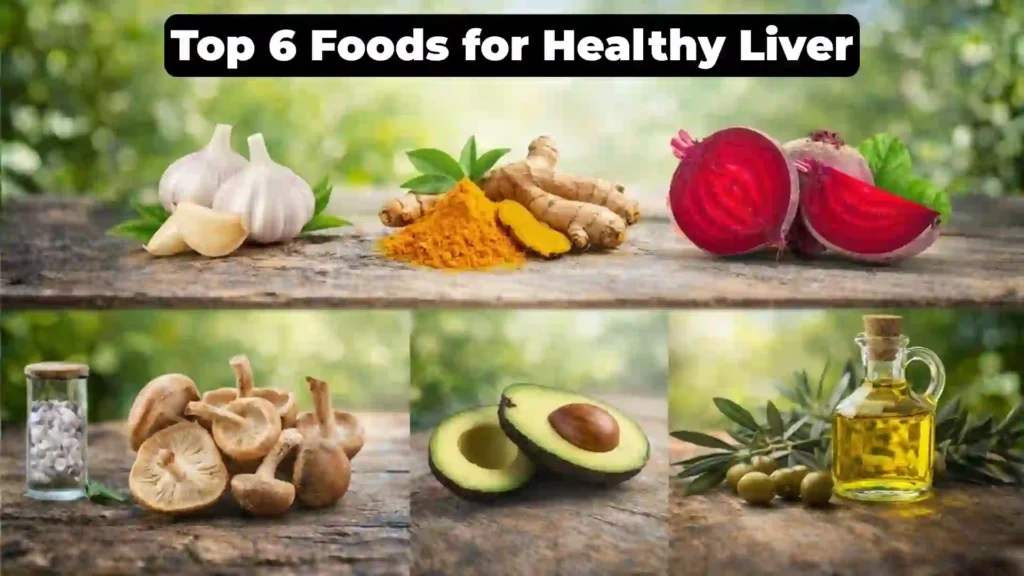
1. Garlic:
A Natural Detox EnhancerGarlic is a small ingredient with massive benefits.
Key Benefits
- Rich in sulfur compounds that support detox pathways
- Helps reduce fat accumulation in the liver
- Acts as a natural antibacterial and antifungal agent
- Strong anti-inflammatory properties
Adding just a few cloves of garlic to your daily meals can significantly improve liver function over time.
2. Turmeric:
The Anti-Inflammatory Powerhouse
Turmeric contains curcumin, a compound known for its potent anti-inflammatory and antioxidant effects.
How It Helps the Liver
- Reduces liver inflammation
- Supports regeneration of liver cells
- Helps detoxify heavy metals
- Protects against fat buildup
How to Use It
Add turmeric to curries, soups, or warm drinks. Pair it with black pepper to improve absorption.
3. Beets:
Nature’s Liver Cleanser
Beets have long been associated with liver health—and for good reason.
Benefits
- Support bile production
- Help reduce liver enzyme levels
- Improve fat metabolism
- Protect liver cells from damage
They are especially helpful for people dealing with fatty liver or sluggish digestion.
4. Mushrooms:
Rich in Liver-Protective Antioxidants
Mushrooms, especially varieties like oyster and medicinal types, are packed with glutathione, one of the most important antioxidants for liver health.
Why Glutathione Matters
It helps neutralize toxins and protects liver cells from damage.
Additional Benefits
- Reduce oxidative stress
- Support immune function
- Protect against inflammation
Adding mushrooms to your meals regularly can give your liver a powerful antioxidant boost.
5. Avocados:
Healthy Fats for Liver Repair
Avocados are loaded with healthy fats and antioxidants that support liver health.
Key Benefits
- High in glutathione
- Reduce inflammation
- Help repair damaged liver cells
- Improve overall metabolic health
Even one avocado per week can make a noticeable difference in liver function.
6. Extra Virgin Olive Oil:
A Simple Yet Powerful Addition
Olive oil is one of the easiest and most effective ways to support your liver.
Benefits
- Reduces fat buildup in the liver
- Improves insulin sensitivity
- Lowers inflammation
- Supports healthy cholesterol levels
How to Use
Use it as a salad dressing or drizzle it over cooked vegetables for maximum benefit.
Lifestyle Tips to Maximize Liver Health
While food plays a major role, combining it with healthy habits amplifies the benefits:
1. Reduce Sugar Intake
Excess sugar gets converted into fat, which can accumulate in the liver.
2. Stay Hydrated
Water helps flush out toxins processed by the liver.
3. Limit Processed Foods
Highly processed foods increase inflammation and burden the liver.
4. Practice Intermittent Fasting (Optional)
Giving your body breaks from constant eating can improve liver efficiency and fat metabolism.
5. Avoid Excess Alcohol
Alcohol is one of the biggest stressors on the liver and should be consumed in moderation.
Final Thoughts: Consistency Over Quick Fixes
Your liver doesn’t need extreme detox programs or expensive supplements. What it truly needs is consistent support through proper nutrition and lifestyle choices.
By including foods like cruciferous vegetables, garlic, turmeric, beets, mushrooms, avocados, and olive oil in your diet, you give your liver the tools it needs to function at its best.
Remember, liver health isn’t about short-term fixes—it’s about long-term habits. Small daily changes can lead to significant improvements over time.
Medical Disclaimer
This content is for informational purposes only and not a substitute for professional medical advice. Consult a qualified healthcare provider before making dietary or health changes, especially if you have existing conditions or are on medication.