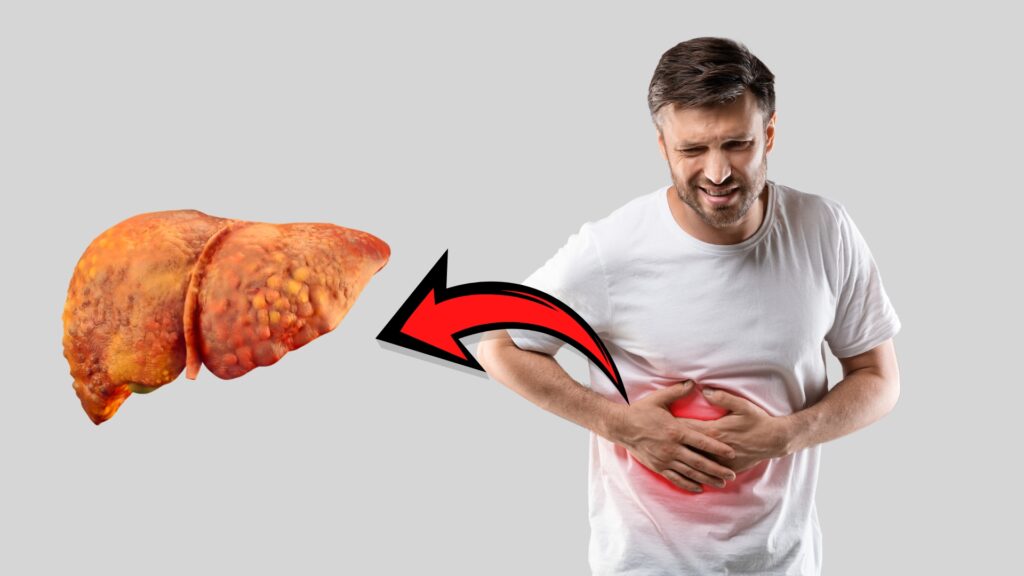
Fatty liver disease is something many people have heard about, but not many truly understand. What makes it even more concerning is that you could have it and not even know it. In most cases, it doesn’t cause obvious symptoms early on, which is why it often goes unnoticed until it starts affecting your health.
Simply put, fatty liver disease happens when too much fat builds up in your liver. It’s commonly linked to everyday health issues like being overweight, having type 2 diabetes, or high cholesterol. But here’s something surprising: it’s not just caused by alcohol. Even people who don’t drink can develop this condition.
For some people, it may never cause serious problems. But for others, it can gradually lead to inflammation, liver damage, and more serious complications if ignored. You might feel more tired than usual or notice mild discomfort in your abdomen, or you might feel completely fine.
The good news? In many cases, fatty liver disease can be managed and even reversed with simple lifestyle changes like eating healthier, staying active, and taking care of your overall health.
Understanding this condition early can make a big difference. It’s not just about your liver, it’s about your long-term health.
Types of Fatty Liver Disease
Fatty liver disease isn’t just one condition; it includes several types based on what causes fat to build up in the liver. Understanding these types can help you better identify your risk and take the right steps early.
Non-Alcoholic Fatty Liver Disease (NAFLD / MASLD)
This is the most common type of fatty liver disease, especially in the United States. It occurs in people who drink little to no alcohol and is strongly linked to obesity, type 2 diabetes, and high cholesterol. In many cases, it doesn’t cause symptoms but can still affect liver health over time.
Non-Alcoholic Steatohepatitis (NASH / MASH)
This is a more serious form of non-alcoholic fatty liver disease. In addition to fat buildup, the liver becomes inflamed and damaged. If left untreated, it can lead to scarring (cirrhosis) and increase the risk of liver failure or liver cancer.
Alcohol-Related Fatty Liver Disease (AFLD)
This type is caused by heavy alcohol consumption. The liver breaks down alcohol, but excessive drinking can damage liver cells and lead to fat buildup. The good news is that this type can often improve if alcohol use is reduced or stopped early.
Fatty Liver with Mixed Causes (MetALD)
In some cases, fatty liver disease develops due to a combination of factors, such as metabolic conditions and moderate alcohol use. This type highlights how multiple lifestyle factors can impact liver health.
Each type may progress differently, but early diagnosis and lifestyle changes can make a significant difference in preventing complications.
Fatty Liver Disease Signs and Symptoms
Fatty liver disease often develops silently, especially in its early stages. However, recognizing the warning signs early can help prevent serious complications and even reverse the condition.
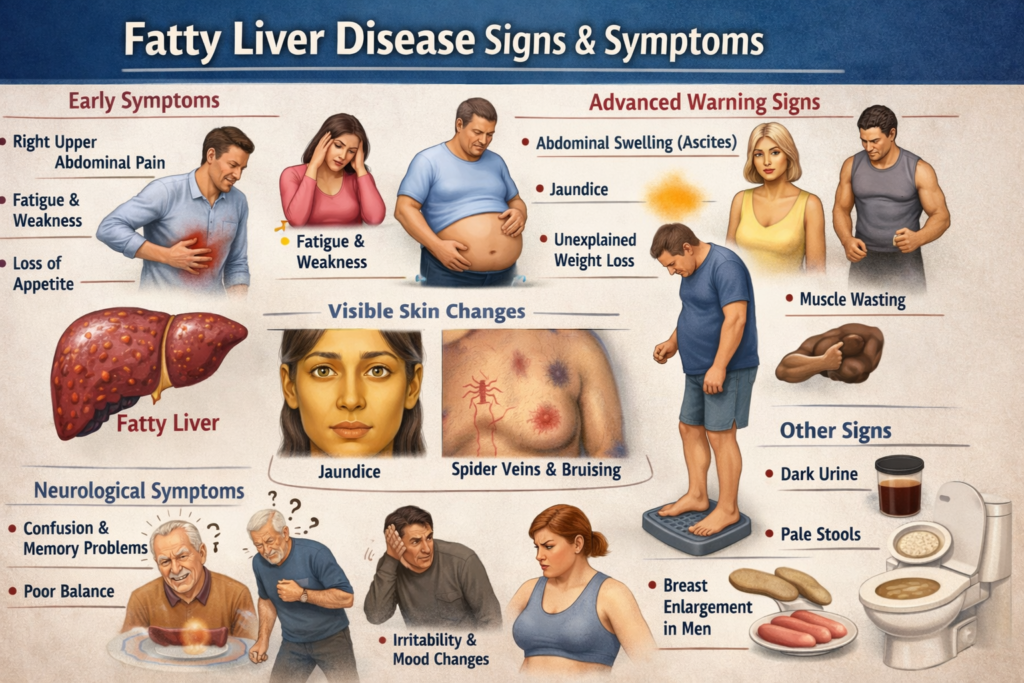
Early Symptoms
In the beginning, symptoms may be mild and easy to ignore, such as:
- Discomfort or pain in the upper right abdomen
- Loss of appetite
- Feeling unusually tired or weak
Advanced Warning Signs
As the disease progresses, more noticeable and serious symptoms may appear:
- Abdominal swelling (Ascites): Fluid buildup in the abdomen can cause bloating, fullness, nausea, and even shortness of breath
- Unexplained weight loss: Losing weight without trying can be a warning sign
- Muscle wasting: Loss of muscle mass, especially in advanced liver disease
- Jaundice: Yellowing of the skin and eyes due to liver dysfunction
- Easy bruising or bleeding: Caused by reduced production of blood clotting factors
Visible Skin Changes
- Spider angiomas: Small, web-like blood vessels visible under the skin
- Dilated veins: Noticeable veins that may indicate liver stress
Neurological Symptoms
In severe cases, toxins can build up in the blood and affect the brain, leading to:
- Confusion or difficulty thinking
- Irritability or personality changes
- Poor balance or coordination
Other Important Signs
Other Important Signs
- Dark-colored urine
- Pale or light-colored stools
- Breast enlargement in men (in some cases)
Recognizing these symptoms early is key. If you notice multiple signs, it’s important to consult a healthcare provider for proper evaluation and diagnosis.
What Causes Fatty Liver Disease?
Fatty liver disease develops gradually due to a mix of lifestyle habits and underlying health conditions.
Main Causes
Excess body weight, especially belly fat Type 2 diabetes or insulin resistance High cholesterol or triglyceride levels Drinking too much alcohol
- Excess body weight, especially belly fat
- Type 2 diabetes or insulin resistance
- High cholesterol or triglyceride levels
- Drinking too much alcohol
Other Possible Causes
- Hormonal issues like an underactive thyroid
- Certain medications
- Conditions like PCOS
Rare Cases
In rare situations, fatty liver can occur during pregnancy, especially in the later stages.
Most of the time, it’s not just one cause but a combination of factors that leads to fatty liver disease.
Risk Factors
Metabolic syndrome
Insulin resistance
Sedentary lifestyle
Hormonal disorders
Diagnosis
Blood Tests: Doctors check liver enzymes like AST and ALT. If these are high, it suggests liver damage. These tests also help rule out infections like hepatitis.
Imaging: Tests like ultrasound, CT scan, and MRI create images of the liver. They help detect fat in the liver, but cannot always tell how severe the damage is.
Fibro Scan: A painless test similar to ultrasound that measures how stiff the liver is. More stiffness usually means more scarring (fibrosis).
Liver Biopsy: A small sample of liver tissue is taken using a needle. It is the most accurate test to confirm fatty liver and check how serious it is.Doctors use blood tests, ultrasound, MRI, and sometimes liver biopsy to confirm the condition.
Fatty Liver Disease Treatment
- Weight loss (5–10%)
- Exercise regularly
- Control diabetes and cholesterol
- Avoid alcohol
Fatty Liver Diet Plan (What to Eat & Avoid)
Eating the right foods can make a huge difference when managing or even reversing fatty liver disease. A healthy diet helps reduce fat buildup, control weight, and improve overall liver function.
Foods to Avoid (Liver-Damaging Foods)
Try to limit or avoid these foods that can worsen fatty liver:
- White bread, white rice, and refined carbs
- Sugary foods like candy, donuts, and desserts
- Fast food and fried foods
- Processed meats and red meat
- Full-fat dairy products and ice cream
- Sugary drinks and sodas
- Excess alcohol
These foods are high in sugar, unhealthy fats, and calories, which can increase liver fat over time.
Liver-Friendly Foods (What to Eat More Of)
Focus on adding these healthy foods to your daily diet:
- Fresh vegetables like broccoli, cabbage, tomatoes, and beets
- Garlic and legumes (beans, lentils)
- Whole grains like brown rice and whole wheat bread
- Lean proteins such as chicken, fish (salmon, sardines), and plant-based proteins
- Healthy fats from nuts (almonds, walnuts)
- Fruits rich in vitamins, especially vitamin C and E
These foods help reduce inflammation, support liver function, and improve metabolism.
Simple Daily Diet Tips
- Start your day with whole grains and fruits
- Include vegetables in every meal
- Replace sugary drinks with water
- Choose grilled or baked foods instead of fried
- Keep portions balanced and avoid overeating
Making small, consistent changes to your diet can lead to big improvements in your liver health over time.
Can Fatty Liver Be Reversed?
Yes, especially in early stages. Lifestyle changes can significantly reduce liver fat and inflammation.
Life Expectancy with Fatty Liver Disease
Most people live normal lives if managed early. Advanced stages like cirrhosis can reduce life expectancy.
Maintain a Healthy Weight
If you’re overweight, even a small amount of weight loss can help reduce fat in your liver and improve its function. Focus on gradual and sustainable changes rather than quick fixes.
Follow a Healthy Diet
Choose foods that nourish your body, such as fruits, vegetables, and whole grains. A balanced diet helps lower fat buildup and supports overall liver health.
Stay Active
Regular physical activity plays a key role in preventing fatty liver. Aim for at least 30 minutes of exercise most days, whether it’s walking, cycling, or any activity you enjoy.
Manage Blood Sugar Levels
If you have diabetes, keeping your blood sugar under control is essential. Follow your doctor’s advice, take medications as prescribed, and monitor your levels regularly.
Keep Cholesterol in Check
Healthy eating, exercise, and prescribed medications can help maintain normal cholesterol and triglyceride levels, reducing stress on your liver.
Protect Your Liver
Avoid alcohol and be cautious with medications. Always follow recommended dosages and consult your doctor before taking new drugs to prevent unnecessary liver strain.
Small daily habits can make a big difference in keeping your liver healthy for the long term.
Complications
- Cirrhosis
- Liver failure
- Liver cancer
Prevention Tips
Preventing fatty liver disease doesn’t have to be complicated. In fact, a few consistent lifestyle changes can significantly improve your liver health and reduce your risk
- Maintain healthy weight
- Exercise regularly
- Eat balanced diet
- Limit alcohol
FAQs
Q: What is the fastest way to cure fatty liver?
A: Weight loss, healthy diet, and regular exercise.
Q: Is fatty liver serious?
A: It can become serious if untreated.
Q: Can diet alone fix fatty liver?
A: In early stages, yes.
The information provided in this article is for educational purposes only and is not intended as medical advice. Always consult a qualified healthcare professional before making any changes to your diet, lifestyle, or treatment plan, especially if you have existing health conditions.