
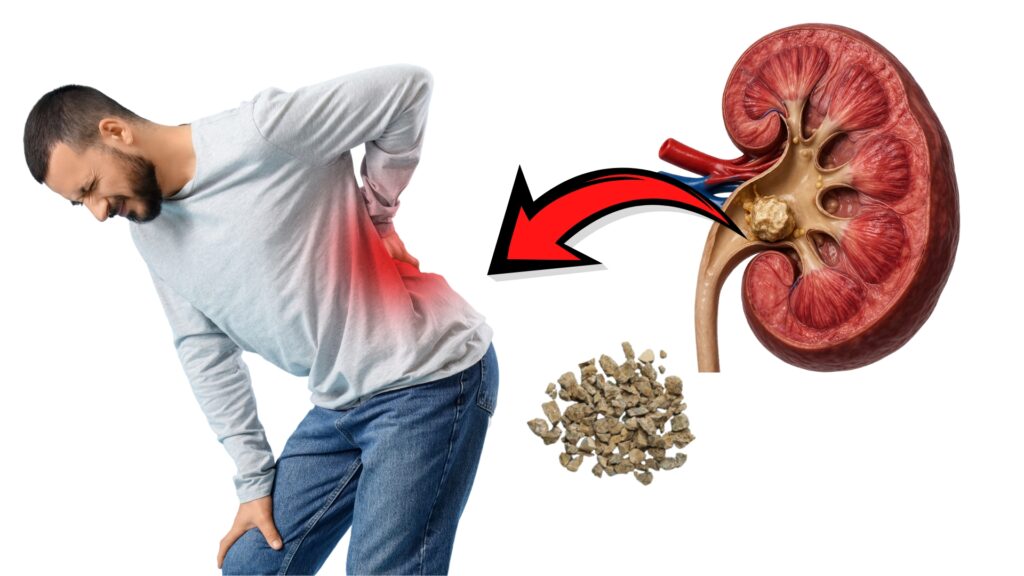
Kidney stones are hard, stone-like lumps that can develop in one or both kidneys when minerals in the urine crystallize and stick together. This condition is quite common worldwide.
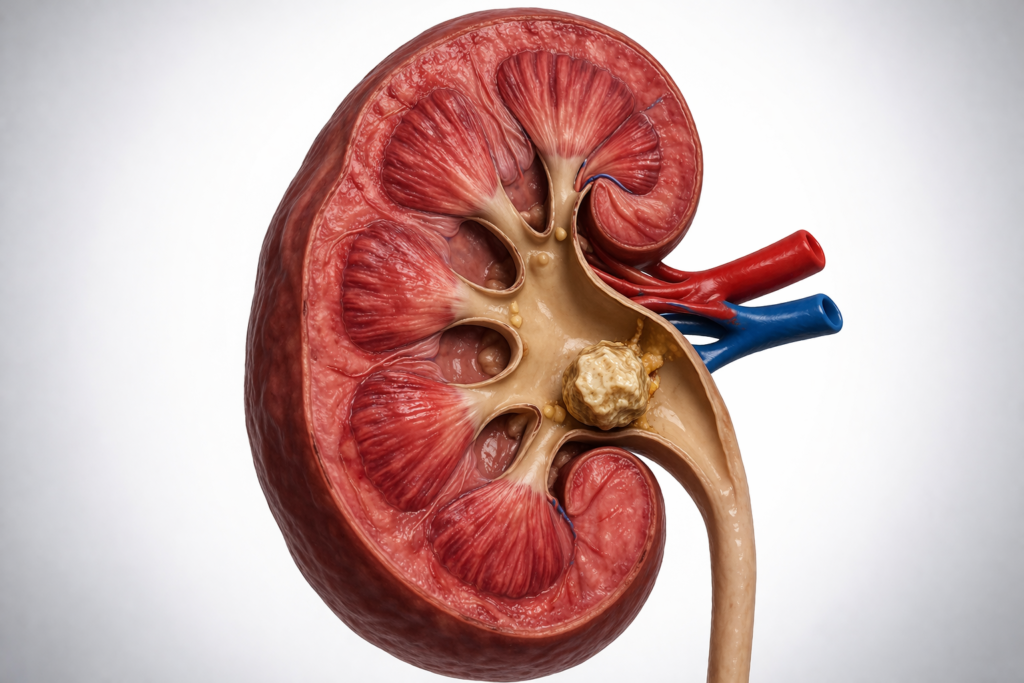
In the UK, around 3 in 20 men and 1 in 20 women will experience kidney stones at some point in their lives. In the United States, the numbers are even higher, with nearly 1 in 10 people affected during their lifetime.
Although kidney stones may sometimes pass without noticeable symptoms, they can also cause severe pain and discomfort when they move through the urinary tract. Many people also search for how to help pass a kidney stone, especially when dealing with pain and trying to avoid complications.
Due to their increasing prevalence, especially linked to modern diet and lifestyle habits, understanding kidney stones, their risk factors, and early warning signs is essential for effective prevention and timely treatment.
How Does a Kidney Stone Form?
Kidney stones form when the waste products in your urine, such as calcium, oxalate, or uric acid, do not dissolve properly and start to crystallize inside the kidneys.
Many people also wonder, are kidney stones inherited, and while genetics can play a role, lifestyle and diet are also major factors.
Over time, these tiny crystals stick together and gradually grow into a hard, stone-like lump. Once formed, the stone may remain in the kidney or begin to move through the urinary tract in an attempt to pass out of the body through urine.
However, if the stone gets stuck in narrow passages like the ureter or urethra, it can block the flow of urine and cause severe pain in the abdomen or groin.
In some cases, this blockage can also lead to infections, kidney damage, or even kidney failure if not treated in time, making early awareness and prevention very important.
Symptoms of Kidney Stones
Kidney stones do not always cause noticeable symptoms, especially when they are very small.
In many cases, these “silent” stones pass through the urinary tract without causing pain and may go completely undetected. However, many people also wonder can kidney stones cause UTI, as infections can sometimes occur when a stone blocks the urinary tract.
Symptoms usually begin when a stone becomes stuck in the kidney, starts moving down the ureter, or leads to an infection. Because the ureter is a narrow tube, the movement of a stone through it can cause intense and sharp pain. The most common symptoms are:
Severe Back or Side Pain
Intense, sharp pain in the back or side of the abdomen, often spreading to the groin.
Nausea
A feeling of sickness or urge to vomit due to severe pain.
Blood in Urine
Urine may appear pink, red, or brown due to irritation caused by the stone.
Cloudy or Foul-Smelling Urine
Indicates possible infection or presence of waste buildup.
Burning Sensation During Urination
Pain or discomfort while passing urine as the stone moves.
Frequent Urge to Urinate
Feeling the need to urinate more often, even when little urine is passed.
Fever
High temperature (38°C or above) may signal infection and requires immediate attention.
Types of Kidney Stones
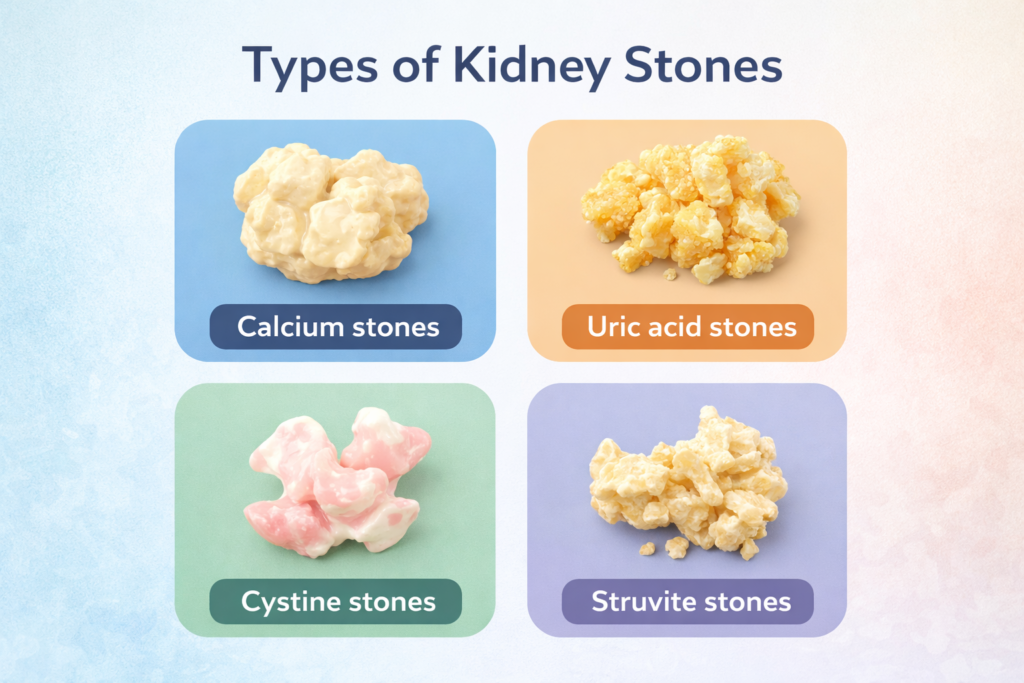
Kidney stones are classified into four main types based on the substances that form them. Each type has different causes, characteristics, and risk factors.
Calcium Stones
Calcium stones are the most common type of kidney stones and are usually made of calcium oxalate or calcium phosphate.
They form when there is a high level of calcium in the urine, which may be caused by excess vitamin D, an overactive parathyroid gland, kidney disease, or certain conditions like sarcoidosis and some cancers.
These stones can be large and smooth or rough and spiky in shape.
Struvite Stones
Struvite stones are less common but tend to grow quickly and become quite large. They are made of magnesium and ammonia and are often described as “horn-shaped.” These stones usually develop as a result of long-term urinary tract infections and are more commonly seen in women.
Uric Acid Stones
Uric acid stones are typically smooth, brown, and softer compared to other types. They form when there is too much acid in the urine. Common causes include a high-protein diet (especially meat), conditions like gout, certain inherited disorders, or treatments such as chemotherapy.
Cystine Stones
Cystine stones are the rarest type and are usually yellow in color, often resembling crystals rather than solid stones. They are caused by a genetic condition called cystinuria, which leads to excessive amounts of cystine (an amino acid) in the urine, increasing the risk of stone formation.
Causes of Kidney Stones
Dehydration
The most common cause of kidney stones is not drinking enough water. When your body lacks fluids, urine becomes concentrated, making it easier for crystals to form.
Diet Factors
A diet high in salt, sugar, and protein can increase the risk. Foods rich in oxalates such as spinach, chocolate, and nuts may also contribute.
Excess Calcium in Urine
Contrary to popular belief, dietary calcium is not the main issue. Instead, high levels of calcium in urine (hypercalciuria) can lead to stone formation.
Medical Conditions
Certain conditions increase risk, including:
- Obesity
- Digestive diseases
- Urinary tract infections
- Gout
Family History
If someone in your family has had kidney stones, your chances of developing them are higher.
How to Prevent Kidney Stones
Drink Plenty of Water
Consume at least 6–8 glasses daily, and 2–3 litres if you’ve had stones before to flush out harmful substances.
Monitor Urine Color
Light or clear urine means good hydration, while dark yellow indicates dehydration.
Prefer Water Over Other Drinks
Tea, coffee, and juices help, but water is the best choice for prevention.
Increase Fluids in Heat & Exercise
Drink more water when sweating to prevent urine from becoming concentrated.
Limit Oxalate-Rich Foods
Reduce foods like beetroot, chocolate, nuts, and whole grains if advised.
Do Not Reduce Calcium Without Advice
Maintain normal calcium intake unless a doctor recommends otherwise.
Reduce High-Protein Diet
Limit meat, poultry, and fish to prevent uric acid stone formation.
Follow Medical Advice if Needed
Take prescribed medicines to balance urine acidity and reduce stone risk.
Diagnosis of Kidney Stones
Kidney stones are sometimes found by chance during routine X-rays, especially if they are “silent” and not causing any symptoms. Small stones may pass unnoticed, but larger ones usually need treatment.
More often, people discover kidney stones when they experience symptoms like severe pain or blood in the urine. In such cases, doctors use imaging tests like X-rays or ultrasound (sonogram) to find the stone and check its size and location.
Doctors also perform blood and urine tests to detect abnormal levels of minerals or substances that may cause stones to form.
If a simple X-ray does not give clear results, a CT (computed tomography) scan is used. It is the most accurate and widely used method, capable of detecting almost all types of kidney stones quickly and painlessly.
These tests help doctors understand the number, size, and position of the stones, making it easier to choose the right treatment.
Treatment Options
Natural Passing
Small kidney stones often pass on their own. Drinking more water and taking pain relievers can help.
Medications
Doctors may prescribe medications to relax the ureter muscles, making it easier for stones to pass.
Shock Wave Lithotripsy (SWL)
This non-invasive treatment uses sound waves to break stones into smaller pieces.
Ureteroscopy
A thin tube is inserted into the urinary tract to remove or break down stones.
Surgery
In rare cases, large stones may require surgical removal.
When to See a Doctor
You should seek medical help if you experience:
- Severe, unbearable pain
- Blood in urine
- High fever with chills
- Difficulty passing urine
These symptoms may indicate complications that require immediate treatment.
Lifestyle Tips for Long-Term Prevention
Stay Consistent with Hydration
Make water your primary beverage throughout the day.
Follow a Balanced Diet
Focus on fruits, vegetables, and whole grains while limiting processed foods.
Monitor Your Health
If you have a history of kidney stones, regular check-ups can help prevent recurrence.
Avoid Sugary Drinks
Soft drinks and sugary beverages increase the risk of stone formation.
Conclusion
Kidney stones are a common but preventable condition. By understanding the symptoms, causes, and treatment options, you can take proactive steps to protect your kidney health. Simple lifestyle changes like drinking enough water, eating a balanced diet, and staying active can significantly reduce your risk. Early detection and proper care are key to avoiding complications and living a healthy life.
Disclaimer: This content is for informational purposes only and should not be considered medical advice. Always consult a qualified healthcare professional for diagnosis and treatment of any medical condition.