

Urinary tract infections (UTIs) are one of the most common bacterial infections, affecting millions of people in the United States each year, especially women. These infections happen when bacteria enter the urinary system and begin to multiply, causing inflammation and discomfort. In some cases, people may wonder, “Can a UTI cause bleeding?” and the answer is yes, as irritation in the urinary tract can sometimes lead to blood in the urine.
The urinary tract includes the kidneys, ureters, bladder, and urethra, all of which work together to produce and remove urine from the body. When bacteria get into this system, they can cause symptoms that range from mild discomfort to more serious kidney infections if not treated promptly.
Understanding the causes, symptoms, and ways to prevent UTIs can help people manage the condition more effectively and lower the risk of getting infections again.

What Is a Urinary Tract Infection (UTI)?
A urinary tract infection (UTI) occurs when bacteria, particularly Escherichia coli (E. coli), enter the urinary system through the urethra and multiply in the bladder. Most UTIs affect the lower urinary tract, which includes the bladder and urethra.
The most common cause of UTIs is E. coli, a type of bacteria that normally lives in the digestive tract but can spread to the urinary tract.
UTIs can affect anyone, but they are much more common in women. This is because female anatomy makes it easier for bacteria to reach the bladder.
Some people also ask, “Will a UTI cause bloating?” While bloating is not a typical symptom, some individuals may experience abdominal discomfort or pressure that can feel similar to bloating.
What Are the Types of UTIs (Urinary tract infections)
UTIs are classified based on where the infection occurs in the urinary tract.
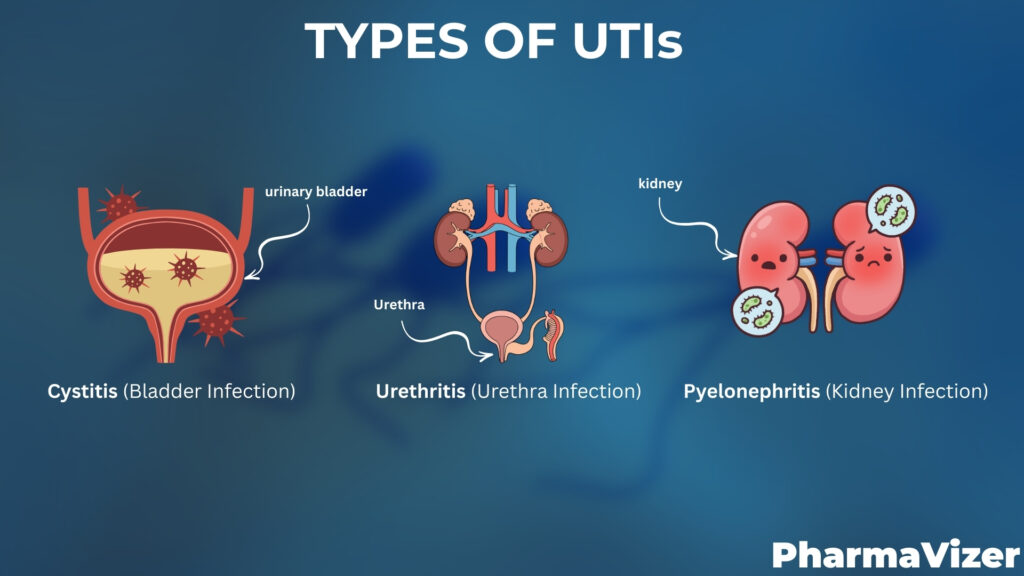
1.Cystitis (Bladder Infection)
People with cystitis may feel the need to urinate very often. Urination can be painful, and there may also be pain in the lower abdomen. The urine might appear cloudy or contain blood.
2. Urethritis (Urethra Infection)
When the urethra becomes infected, it may cause a burning sensation during urination and sometimes a discharge from the urethra.
3. Pyelonephritis (Kidney Infection)
This type of infection affects the kidneys and can lead to symptoms such as fever, chills, nausea, vomiting, and pain in the upper back or side of the body.
Symptoms of Urinary Tract Infection (UTI)
A urinary tract infection (UTI) can cause several noticeable symptoms. Common signs include:
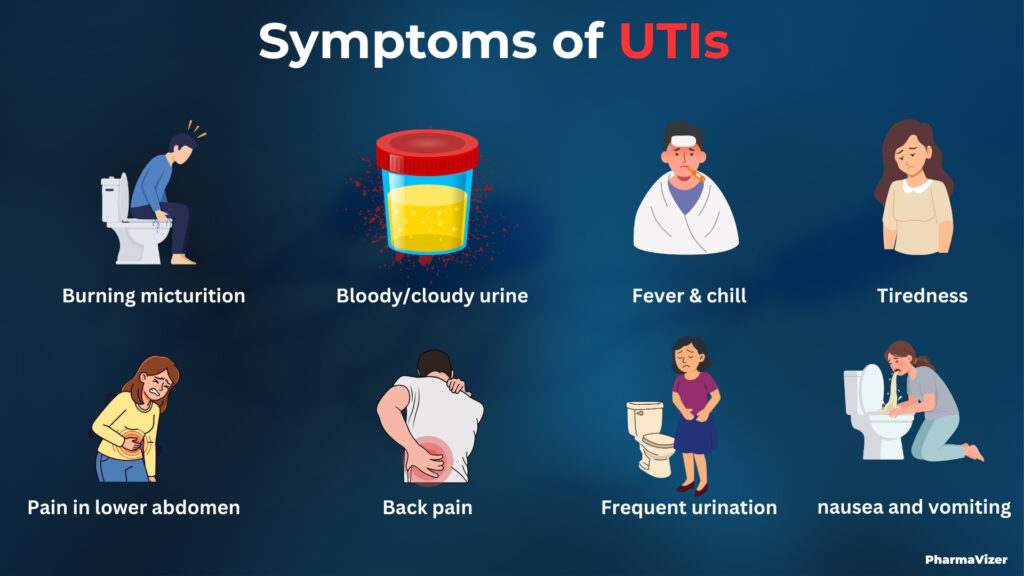
- A burning or painful sensation during urination
- A strong and frequent urge to urinate, even if only a small amount of urine is passed
- Urine that looks cloudy, dark, bloody, or has an unusual smell
- Feeling tired, weak, or shaky
- Fever or chills, which may indicate that the infection has spread to the kidneys
- Pain or pressure in the lower abdomen or in the back
Some people also ask, “can a UTI cause headache?” While headaches are not a common symptom, they may occur in some cases, especially if the infection leads to fever or general illness.
These symptoms can vary from person to person, but they often signal a possible urinary tract infection.
Causes of Urinary Tract Infections
UTIs typically occur when bacteria enter the urinary tract and multiply.
Primary Cause
The most common cause is bacterial infection, particularly E. coli bacteria, which account for the majority of bladder infections.
Other Causes
Several factors can increase the risk of infection, including:
- Poor personal hygiene
- Sexual activity
- Holding urine for long periods
- Low water intake
- Hormonal changes
- Use of certain birth control methods
In some healthcare settings, infections may also occur due to urinary catheters, which allow bacteria to enter the urinary tract.
Who Is at Higher Risk of UTIs?
Certain groups of people are more likely to develop UTIs.
Women
Women experience UTIs more frequently because they have a shorter urethra, making it easier for bacteria to reach the bladder. Many people also ask whether a UTI can delay menstruation or cause itching.
According to medical experts, a UTI does not directly delay menstruation, but stress or illness related to the infection may sometimes affect the menstrual cycle. As for itching, UTIs typically cause a burning sensation rather than itching; however, irritation or a coexisting condition like a yeast infection may lead to itching in some cases.
Older Adults
Older adults may have weakened immune systems or medical conditions that increase the risk of infection.
People With Medical Conditions
Individuals with the following conditions are also at higher risk:
- Diabetes
- Kidney stones
- Enlarged prostate
- Weakened immune system
How UTIs Are Diagnosed
Healthcare providers diagnose UTIs using several methods.
Urine Test
A urinalysis checks urine for bacteria, white blood cells, and other signs of infection.
Urine Culture
A urine culture identifies the exact bacteria causing the infection, helping doctors choose the most effective treatment.
Imaging Tests
In recurrent infections, doctors may use ultrasound or CT scans to check for structural problems in the urinary tract.
Treatment Options for UTIs
Treatment depends on the severity of the infection.
Antibiotics
Antibiotics are the most common treatment for UTIs and usually relieve symptoms within a few days.
Pain Relief
Doctors may prescribe medications to reduce burning and discomfort during urination.
Home Care Support
Certain lifestyle habits may help reduce symptoms, such as:
- Drinking plenty of water
- Avoiding bladder irritants like caffeine and alcohol
- Using heating pads for abdominal pain
How to Prevent Urinary Tract Infections
Preventive habits can significantly reduce the risk of UTIs.
Hydration
Drinking plenty of water helps flush bacteria out of the urinary system.
Proper Hygiene
Women should wipe from front to back after using the bathroom to prevent bacteria from spreading.
Urinate Frequently
Avoid holding urine for long periods, as this allows bacteria to multiply.
Urinate After Sexual Activity
This helps remove bacteria that may enter the urethra during intercourse.
Wear Breathable Clothing
Cotton underwear and loose-fitting clothes can reduce moisture that encourages bacterial growth.
Complications of Untreated UTIs
If left untreated, UTIs can lead to serious health complications.
Possible complications include:
- Kidney infections
- Recurrent UTIs
- Blood infections in severe cases
- Pregnancy complications
Early treatment greatly reduces these risks.
When to See a Doctor
You should consult a healthcare professional if you experience:
- Persistent burning during urination
- Blood in urine
- Fever with urinary symptoms
- Symptoms lasting longer than a few days
Prompt medical care can prevent complications and speed up recovery.
Frequently Asked Questions (FAQs)
How common are UTIs in the United States?
UTIs are extremely common, with about 11% of women and 3% of men experiencing an infection each year.
Can a UTI go away on its own?
Some mild infections may resolve without treatment, but most symptomatic UTIs require antibiotics to prevent complications.
Are UTIs contagious?
UTIs are not considered contagious, but sexual activity can increase the risk of bacteria entering the urinary tract.
How long does a UTI last?
With proper treatment, most UTIs improve within 3–7 days.
Conclusion
Urinary tract infections are common but treatable health conditions that affect millions of people every year. Recognizing symptoms early, seeking medical care when necessary, and practicing preventive habits can significantly reduce the risk of complications.
Maintaining good hygiene, staying hydrated, and following medical advice are key steps in protecting your urinary health.

Disclaimer: This blog is for informational and educational purposes only and is not intended as medical advice, diagnosis, or treatment. While the content is written by a licensed pharmacist, it should not replace consultation with a qualified healthcare provider. Always seek the advice of your physician or other healthcare professional regarding any medical condition or treatment.